
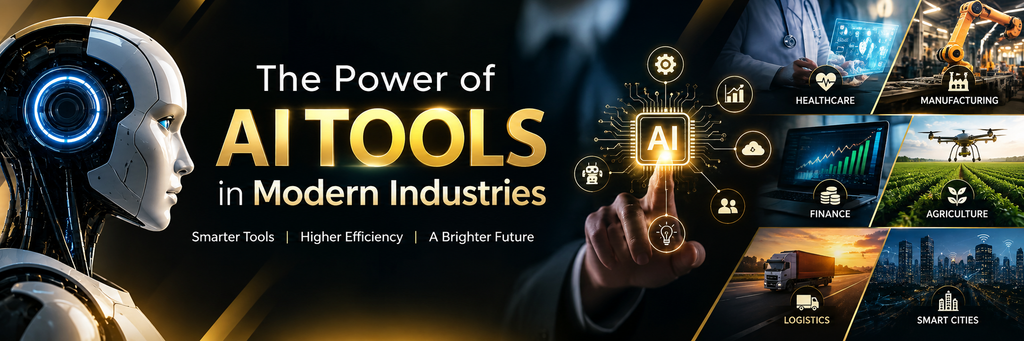
Artificial Intelligence (AI) has revolutionized the way industries operate, enhancing efficiency, productivity, and innovation. From healthcare to finance, AI tools are becoming indispensable assets that empower organizations to make data-driven decisions and streamline operations.AI tools are not just about efficiency; they also drive innovation across various sectors. By analyzing vast amounts of data, AI can identify trends and insights that would be impossible for humans to detect.
AI tools empower leaders to make informed decisions based on data analysis. By providing real-time insights, organizations can respond to market changes swiftly and strategically.The power of AI tools in modern industries is undeniable. By enhancing efficiency, driving innovation, and improving decision-making, AI has become a vital component of business strategy. As organizations continue to embrace these technologies, the potential for growth and transformation is limitless.
How AI Tools Are Revolutionizing Industrial Landscapes
The industrial sector is undergoing a profound transformation, driven by the integration of artificial intelligence (AI) tools. These advanced technologies are not only enhancing efficiency but also reshaping the very fabric of industrial operations. In this blog post, we will explore how AI is revolutionizing industrial landscapes and the benefits it brings to various sectors.One of the primary ways AI is making an impact in industries is through enhanced efficiency and productivity.
In conclusion, AI tools are revolutionizing industrial landscapes by enhancing efficiency, improving safety, enabling data-driven decision making, and promoting sustainability. As technology continues to advance, the potential for AI to transform industries will only grow, paving the way for a more efficient and responsible industrial future. Companies that embrace these innovations will not only gain a competitive edge but also contribute to a more sustainable world.
The Silent Architects of Industry 4.0
As we stand on the brink of a technological revolution, Industry 4.0 emerges as a powerful force reshaping the landscape of manufacturing and industry. While many focus on the visible elements such as robotics and artificial intelligence, there exists a cadre of unsung heroes— the silent architects—who play a crucial role in this transformation.At the heart of Industry 4.0 lies data. Data scientists are the architects who turn raw data into actionable insights. By leveraging advanced analytics and machine learning algorithms, they help organizations make informed decisions, optimize processes, and predict future trends.
While the spotlight often shines on the visible innovations of Industry 4.0, it is essential to recognize the contributions of those who work behind the scenes. The silent architects—data scientists, cybersecurity experts, integration specialists, and supply chain analysts—are shaping the future of industry in profound ways. As we embrace this new era of technology, acknowledging their roles will ensure a more comprehensive understanding of the forces driving change.
AI Tools Shaping the Future of Manufacturing
The manufacturing industry is undergoing a significant transformation, driven by the integration of artificial intelligence (AI). As companies strive for efficiency, quality, and adaptability, AI tools are becoming indispensable in shaping the future of manufacturing. This blog post explores the key AI tools that are revolutionizing the industry and their impact on operational processes.One of the most significant applications of AI in manufacturing is predictive maintenance. By utilizing machine learning algorithms, manufacturers can analyze data from machinery and equipment to predict failures before they occur. This proactive approach minimizes downtime and maintenance costs, leading to improved productivity.
The future of manufacturing is undoubtedly intertwined with the advancements in AI technology. From predictive maintenance to robotics, these tools are not just enhancing productivity but also redefining the manufacturing landscape. As businesses continue to adopt AI, we can expect a more efficient, responsive, and sustainable manufacturing sector that meets the demands of the modern world.
The AI Toolkit for Next-Gen Solutions
As we venture deeper into the 21st century, the integration of artificial intelligence (AI) in various sectors has become not just beneficial but essential. Organizations are increasingly relying on AI to streamline operations, enhance decision-making, and improve customer experiences. To harness the full potential of AI, having the right toolkit is crucial. This blog post explores the essential components of an effective AI toolkit for next-gen solutions.
The AI toolkit is an essential asset for organizations aiming to thrive in a data-driven world. By incorporating the right tools, businesses can unlock new opportunities, drive innovation, and stay ahead of the competition. As technology continues to evolve, investing in an effective AI toolkit will undoubtedly pave the way for next-gen solutions that redefine industry standards.
This is the best blog i have ever read